Revealing the Advantages and Practical Use Aluminum Castings in Today's Market
Light weight aluminum castings have actually become significantly pertinent in numerous sectors as a result of their special characteristics. Their lightweight nature and resistance to rust make them suitable for demanding applications. Additionally, the superior strength-to-weight ratio supplies considerable advantages in layout and production. As industries remain to discover their possibility, the full scope of light weight aluminum spreadings' advantages and applications continues to be to be completely uncovered. What exists ahead for this versatile product?
The Lightweight Advantage of Aluminum Castings
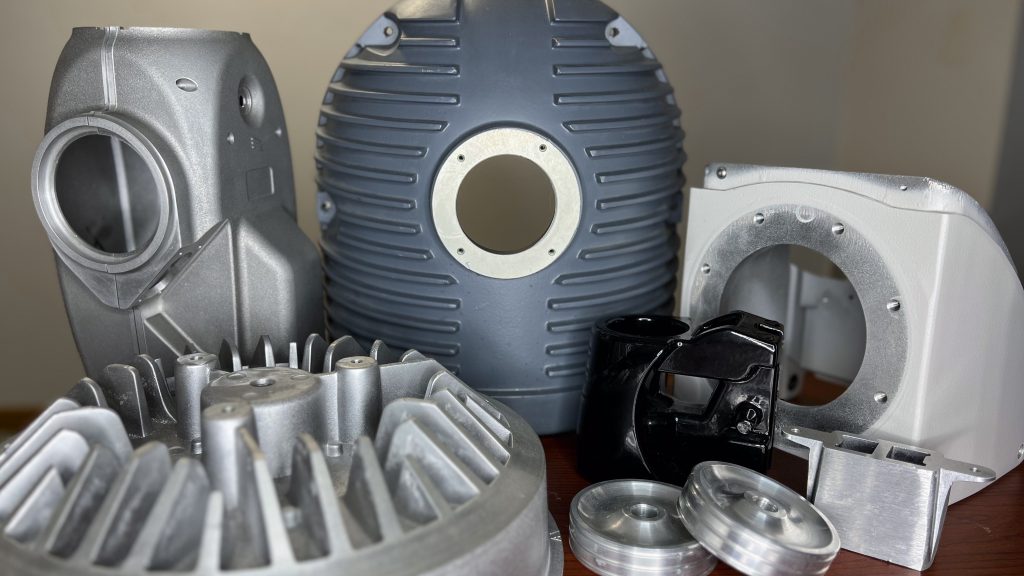
Although numerous products are used in production, light weight aluminum spreadings attract attention mostly due to their lightweight buildings. This particular makes aluminum castings an appealing choice for numerous industries, particularly in aerospace and vehicle applications, where weight decrease is necessary for enhancing gas efficiency and performance. The lightweight nature of light weight aluminum enables makers to create elements that are much easier to set up and deal with, eventually reducing labor costs.
Furthermore, the capability to generate intricate forms without significant weight fines enables designers to innovate while maintaining architectural stability. Light weight aluminum castings can successfully change larger products, leading to considerable financial savings in shipping and functional costs. Their lightweight advantage likewise adds to boosted item longevity, as lighter elements usually bring about decreased deterioration on machinery. On the whole, the lightweight buildings of aluminum castings offer suppliers with an one-upmanship, fostering developments in item design and effectiveness across various industries.
Extraordinary Rust Resistance
Aluminum spreadings have an all-natural resistance to oxidation, which greatly boosts their durability in various settings. This fundamental home not only adds to their resilience but likewise lines up with the lightweight benefit that aluminum supplies. Therefore, aluminum spreadings are increasingly recognized for their phenomenal corrosion resistance in many applications.
Normally Resistant to Oxidation
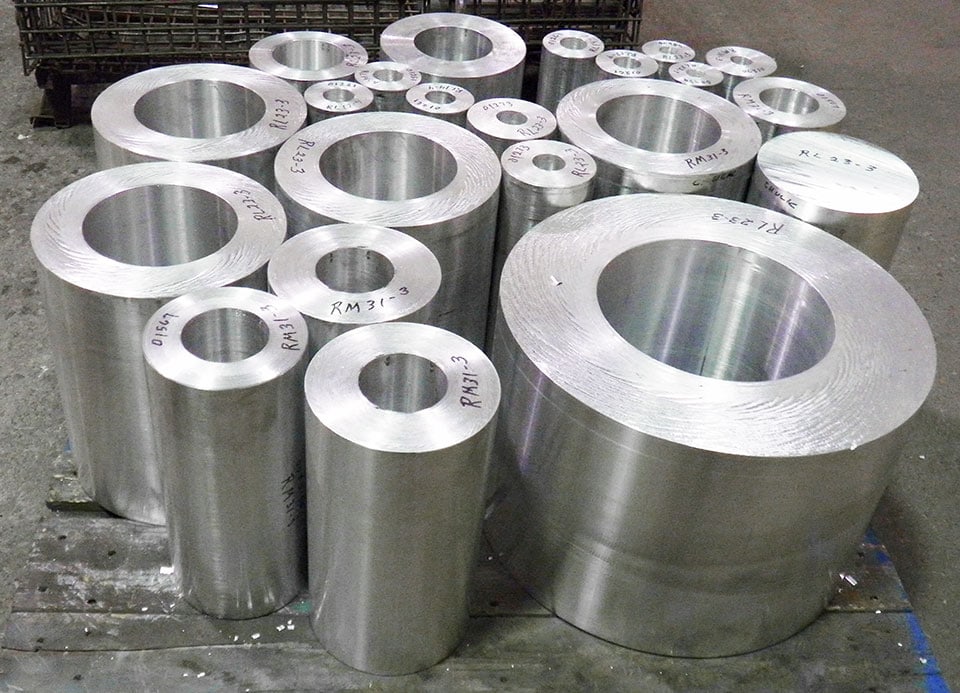
One of the standout qualities of aluminum spreadings is their remarkable corrosion resistance, which stems from an all-natural oxidation procedure. When exposed to air, light weight aluminum responds to develop a thin, safety layer of aluminum oxide. This layer acts as an obstacle versus further oxidation and shields the underlying steel from corrosive elements such as dampness and salts. Unlike various other metals, this oxide layer is self-repairing; if harmed, it rapidly reforms when revealed to air. This one-of-a-kind home boosts the longevity of light weight aluminum spreadings in different atmospheres, making them ideal for applications in sectors such as aerospace, vehicle, and marine. The all-natural resistance to oxidation significantly decreases upkeep costs and raises the dependability of light weight aluminum castings in demanding conditions.
Lightweight Sturdiness Benefit
The lightweight nature of light weight aluminum spreadings contributes considerably to their toughness, making them a beneficial selection in various industries. This phenomenal resilience is mainly credited to aluminum's inherent resistance to deterioration, which is boosted further via anodizing and various other surface therapies. Unlike several steels, aluminum does not corrosion; rather, it creates a safety oxide layer that guards it from environmental damage. This building is particularly useful in markets such as auto and aerospace, where weight reduction is vital without endangering toughness. In addition, the long life of light weight aluminum castings lessens maintenance expenses and replacements, offering financial benefits in time. Their lightweight toughness and deterioration resistance setting light weight aluminum castings as a remarkable material for contemporary manufacturing applications.

Superior Strength-to-Weight Proportion
An exceptional feature of light weight aluminum castings is their exceptional strength-to-weight ratio, that makes them very desirable in numerous applications. This inherent home enables light weight aluminum castings to hold up against substantial stress and anxiety while remaining light-weight, an essential consider industries such as aerospace, auto, and production. Designers usually favor light weight aluminum castings for elements that require both sturdiness and lowered weight, improving fuel efficiency and performance.
The high strength-to-weight proportion additionally promotes the style of elaborate shapes and frameworks, making light weight aluminum spreadings flexible for complicated applications. The capacity to maintain architectural honesty under tough problems warranties longevity and dependability in items, from aircraft frameworks to automobile components. This benefit adds to the expanding pattern of using light weight aluminum castings in cutting-edge styles, ultimately causing improved capability and efficiency across varied markets. The exceptional strength-to-weight proportion of light weight aluminum spreadings places them as a critical product in modern design and production.
Cost-Effectiveness in Production
Cost-effectiveness in light weight aluminum spreading production is largely accomplished through lowered material waste and effective production processes. By enhancing designs and utilizing sophisticated strategies, producers can lessen excess material usage while maintaining high quality requirements. This strategy not only decreases production expenses yet also adds to much more lasting methods within the sector.
Reduced Material Waste
Decreasing material waste in aluminum spreading procedures greatly enhances production efficiency. By optimizing the style and manufacturing methods, firms can minimize excess scrap and boost source usage. This decrease in waste not just lowers material prices however additionally adds to an extra sustainable production model. The ability to reuse light weight aluminum more assistances cost-effectiveness, permitting makers to redeem and reuse materials without compromising top quality. As the market increasingly focuses on sustainability, minimized product waste lines up with ecological goals while concurrently improving earnings. Ultimately, efficient use resources enhances the competitive position of organizations out there, making aluminum castings a desirable alternative in different applications. useful content The strategic technique to decreasing waste mirrors a commitment to both economic and eco-friendly duty.
Reliable Production Processes
While typical manufacturing processes can sustain significant costs, aluminum casting provides a more effective alternative that boosts general production productivity. This technique minimizes material waste and allows for exact control over the production procedure, leading to minimized labor and operational expenses. The ability to produce complex shapes with less actions better streamlines manufacturing, adding to much shorter preparations. In addition, light weight aluminum's light-weight nature and excellent thermal conductivity enable for energy savings throughout manufacturing and in the last application. By utilizing modern-day spreading innovations, suppliers can accomplish higher throughput without compromising high quality. Aluminum spreading stands out as an affordable remedy, making it an appealing option for companies aiming to enhance their manufacturing procedures in today's affordable market.
Convenience Throughout Industries
Aluminum castings demonstrate remarkable flexibility across various markets, as they can be tailored to meet particular demands and applications. In the vehicle sector, aluminum castings are used in engine blocks, transmission real estates, and wheels, offering useful site light-weight yet durable solutions that improve gas effectiveness. The aerospace market likewise gains from aluminum castings, utilizing them in structural components and engine components as a result of their strength-to-weight proportion.
In the customer items market, makers utilize aluminum castings for products varying from cooking equipment to furnishings, supplying both aesthetic appeal and capability. The electronics market makes use of light weight aluminum spreadings for housings and heat sinks, guaranteeing reliable thermal management. Furthermore, the building and construction sector leverages aluminum spreadings for building aspects and architectural components, improving sturdiness and design adaptability. This wide applicability highlights aluminum spreadings as a vital source, satisfying the diverse requirements of numerous markets while preserving high efficiency and dependability.
Sustainability and Environmental Influence
As markets increasingly focus on sustainable methods, aluminum spreadings emerge as an eco-friendly selection due to their recyclability and reduced environmental impact. Aluminum is among one of the most recycled materials around the world, with the capability to be repurposed multiple times without deterioration of top quality. This characteristic substantially reduces the demand for basic materials and energy intake related to main light weight aluminum manufacturing, which is energy-intensive.
In addition, aluminum castings add to light-weight layouts, bring about sustain efficiency in transportation applications such as auto and aerospace markets. Their longevity and resistance to rust prolong item life-spans, further reducing waste and resource use in time. Many suppliers are adopting accountable sourcing and ecologically friendly manufacturing methods, improving the sustainability of aluminum casting processes. Generally, light weight aluminum spreadings stand for a functional option for organizations aiming to minimize their environmental effect while achieving performance and efficiency.
Innovations in Aluminum Casting Technologies
Recent innovations in light weight aluminum casting technologies have actually substantially improved the efficiency and top quality of production procedures. Innovations view such as 3D printing and advanced mold-making strategies have actually enabled makers to produce elaborate layouts with minimized material waste. This change not just enhances the accuracy of cast parts however also reduces lead times, enabling fast prototyping and faster market entry.
The unification of sophisticated computer system simulations aids in predicting prospective defects throughout casting, leading to higher-quality outcomes. The use of lightweight alloys has actually also contributed to the growth of stronger, extra durable products, providing to industries ranging from auto to aerospace
Additionally, automated casting procedures have actually emerged, lessening human mistake and increasing manufacturing rate. Jointly, these advancements are transforming the light weight aluminum casting landscape, driving greater competitiveness and sustainability in manufacturing. As markets continue to advance, these modern technologies will certainly play an important duty in meeting future needs for performance and top quality.
Frequently Asked Questions
Just How Do Light Weight Aluminum Castings Compare to Other Metals in Regards To Thermal Conductivity?
Light weight aluminum castings exhibit remarkable thermal conductivity contrasted to several steels, such as steel and iron - Aluminum Castings. Their light-weight nature and reliable warmth circulation make them ideal for applications requiring effective thermal management in different industries
What Are the Typical Problems Located in Light Weight Aluminum Castings?
Common issues in light weight aluminum spreadings consist of porosity, shrinking, additions, and surface abnormalities. These problems typically occur from incorrect cooling prices, poor mold and mildew style, or contaminations, impacting the overall top quality and efficiency of the last product.
Can Aluminum Castings Be Recycled, and How?
Light weight aluminum spreadings can be recycled effectively. The procedure includes gathering, melting, and changing the light weight aluminum, which minimizes waste and preserves sources. This reusing adds to sustainability while preserving the material's homes for future use.
What Are the Regular Lead Times for Light Weight Aluminum Casting Production?
Typically, preparations for aluminum spreading production range from 2 to six weeks, relying on aspects such as complexity, tooling demands, and production quantity. Efficiency can enhance with well-known vendor connections and optimized production procedures.
Just how Does the Surface Area End Up Affect Light Weight Aluminum Spreading Performance?
The surface coating markedly affects light weight aluminum casting efficiency by affecting rust resistance, visual quality, and rubbing characteristics. A smoother finish boosts sturdiness and capability, while a rougher texture can enhance attachment for subsequent coverings or treatments.
Many products are used in production, aluminum spreadings stand out primarily due to their lightweight buildings. When exposed to air, light weight aluminum responds to form a thin, protective layer of light weight aluminum oxide. Cost-effectiveness in aluminum casting manufacturing is largely achieved with minimized product waste and efficient production procedures. Lowering material waste in aluminum casting processes considerably enhances production efficiency. Eventually, effective usage of raw products enhances the affordable placement of businesses in the market, making aluminum castings a beneficial choice in various applications.